
Federation to Educate Girls Globally (FEGG), an NGO working for promotion of female education, has entrusted CIPS to conduct the “Landscape Study - Building a Framework for Quality Open School Education in Telangana” and provide insights into the educational landscape by identifying gaps, challenges and opportunities in the State’s current secondary education system by assessing the demand for open schooling in the state, focusing on the Aspirational districts, examining the existing infrastructure, resources and technological capabilities and develop a set of indicators that can serve as benchmarks for the successful establishment and functioning of State Open School.
The landscape study on open school education in Telangana reaffirms the pivotal role of TOSS in advancing key national reforms under NEP 2020, SDG 4, and NCF 2023, while confronting long-standing challenges such as high dropout rates, substantial numbers of out-of-school children, and a notably large NEET (Not in Education, Employment and Training) population—particularly among girls. Although NIOS operates in select districts, its limited enrollment mirrors national dropout patterns, highlighting the urgency for TOSS to broaden its outreach and institutional capacity. Insights gathered through comprehensive field observations with learners, tutors, coordinators, and officials indicate significant untapped potential to expand open schooling as an inclusive, flexible, and skill-driven alternative. The study underscores meaningful opportunities to reintegrate youth—especially girls—into the educational ecosystem, enhance their employability, and strengthen the state’s socio-economic fabric.
To unlock this potential, the report outlines a set of strategic reforms aimed at boosting enrollment, modernizing curriculum design, elevating teaching practices, and enhancing both digital and physical learning environments. Priority actions include creating enriched e-learning content, rolling out online instructional modules, strengthening PCP centre infrastructure, and developing a dedicated mobile application for academic tracking and exam-related updates. The study also calls for robust digital strategies, integration of certificates through DigiLocker, and reduced reliance on AI centres. Strong partnerships—with NGOs, state departments, and skill development agencies—are essential to improve outreach, foster entrepreneurship, and scale vocational opportunities, with a special focus on girls and aspirational districts. Implementing a modern MIS and real-time dashboard will enable transparency, targeted interventions, and continuous performance benchmarking, ultimately leading to improved educational access, higher learning outcomes, and stronger livelihood opportunities across Telangana.
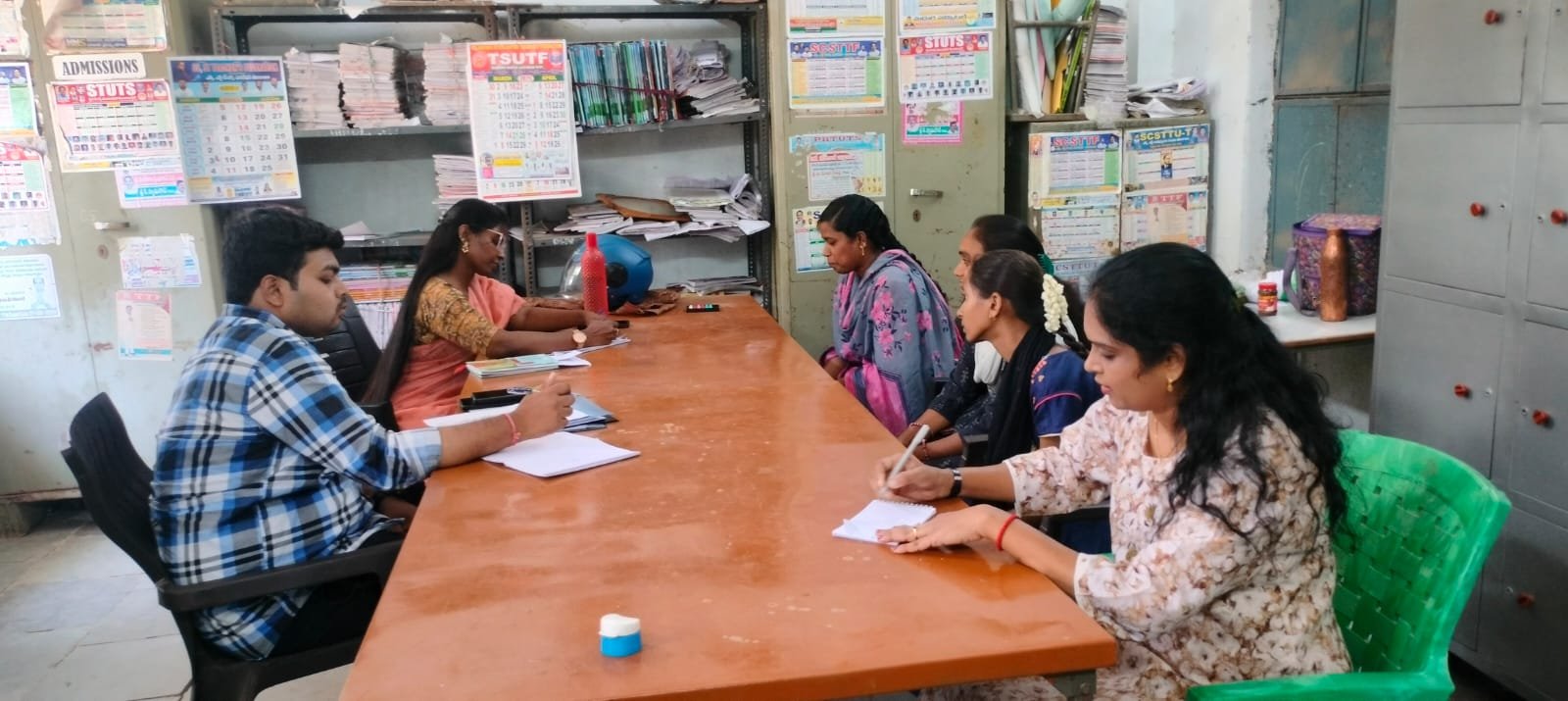
CIPS Research team interacting with TOSS Students in Asifabad district, Telangana
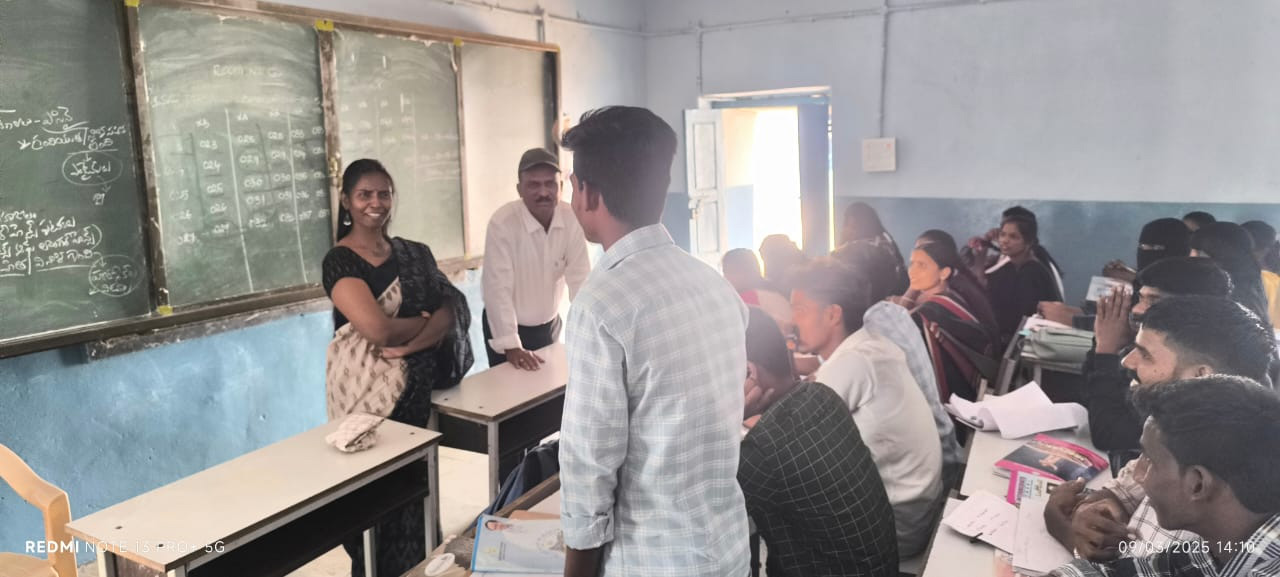
CIPS research team conducting FGD in Narayanpet district, Telangana